
From “Piecemeal” to “Perfect”: Why a Whole-House Renovation Beats Doing One Room at a Time
The Hidden Costs of Room-by-Room Renovations—and Why a Complete Home Transformation Delivers Better Results
It seems logical: renovate one room at a time, spread out the costs, minimize disruption. In reality, this approach often creates the opposite effect. Room-by-room renovations frequently result in higher total expenses, extended timelines, design inconsistencies, and repeated disruptions that span years instead of months. At CDC Construction, we’ve guided countless homeowners through this decision, and the data consistently supports whole-house renovations as the smarter investment. When you commit to transforming your entire home at once, you benefit from economies of scale, unified design vision, predictable timelines, and significant cost savings that simply aren’t available through piecemeal updates. A whole-house renovation isn’t just about completing more work—it’s about completing it efficiently, strategically, and with vision. You’ll avoid the hidden costs that compound with room-by-room approaches: repeated contractor mobilization fees, material purchasing at different times with varying prices, design inconsistencies that compromise your home’s flow, and the psychological toll of living with ongoing construction. Most importantly, you’ll move from a fragmented renovation mindset to a complete transformation that enhances both your daily life and your home’s market value. The choice between whole-house and room-by-room renovation has profound implications for your budget, timeline, and satisfaction.
The True Cost of “Spreading It Out”
The room-by-room approach appears budget-friendly initially, but hidden costs accumulate rapidly. Each individual project incurs its own setup costs, separate contractor bids, and distinct material deliveries. When your plumber finishes a bathroom one year and you need them back for a kitchen remodel three years later, you’re paying mobilization fees both times. You might pay a premium for a plumber to come out for one bathroom remodel, then pay them again later for a kitchen, rather than having them address both areas in a single, more efficient visit during a whole home project.
Material costs shift over time. If you purchase flooring this year and matching tile next year, you may find the original material is discontinued or costs have increased. This forces design compromises—something you’d never encounter with bulk purchasing in a coordinated project.
The math becomes stark when you calculate total expenses. A mid-range kitchen remodel typically runs $25,000 to $75,000, while a mid-range bathroom renovation costs between $10,000 and $30,000. If you renovate five different rooms individually over several years, the cumulative project management, design fees, and separate trade call-out costs can easily add up to or even exceed the cost of a single, larger project that benefited from economies of scale.
Design Cohesion: The “Unfinished Home” Problem
Room-by-room renovations create a fundamental design problem: fragmentation. When you update a kitchen today but living areas remain dated, your home lacks cohesion. Styles may vary between contractors, colors shift, and finishes don’t flow—even if you try to match them years later.
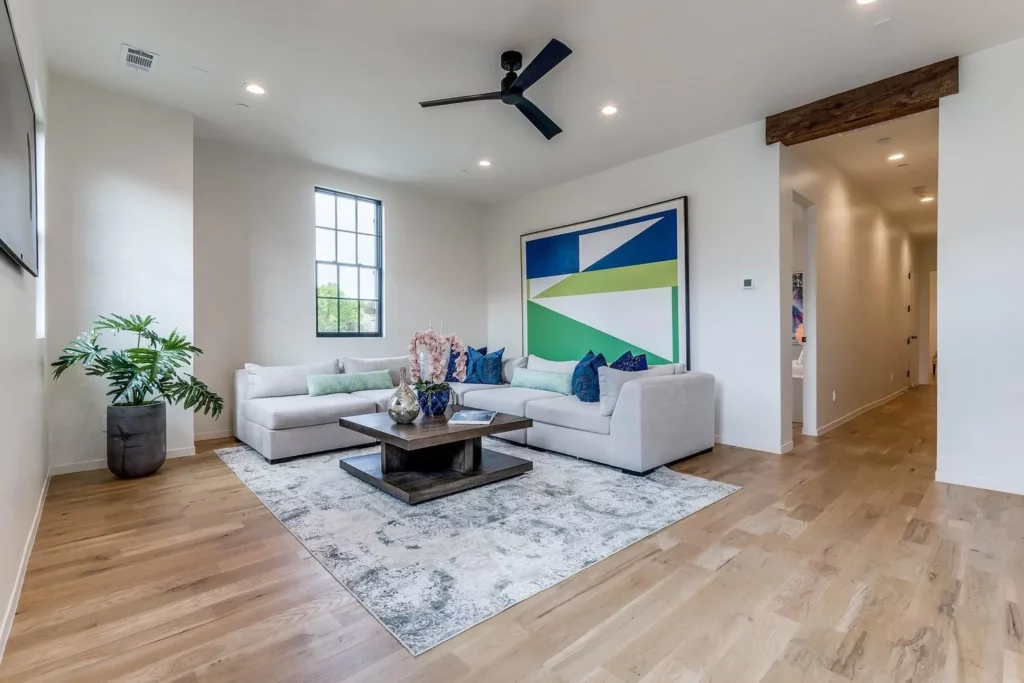
A whole-house approach allows you to create a seamless design throughout your entire property. From flooring and paint colors to fixtures and layout, everything ties together intentionally. Consistent finishes and materials ensure colors, textures, and quality align. This unified design isn’t just aesthetically superior—it’s financially superior. Whole home remodels generally deliver stronger return on investment compared to isolated upgrades. A single beautiful kitchen feels like an afterthought if adjacent rooms remain dated, but a comprehensively renovated home feels intentional and complete.
Timeline and Disruption: Concentrated vs. Continuous
Room-by-room renovations promise manageable disruption, but deliver prolonged chaos. You live with construction noise, dust, and non-functional spaces on and off for years. A whole-house renovation concentrates disruption into 3-6 months of temporary relocation, then you return to a completely finished home.
The psychological difference is substantial. Years of ongoing construction creates constant stress and uncertainty. A single concentrated project offers clarity: you leave your home, live elsewhere briefly, and return to perfection. You never wonder what will be addressed next or when your home will finally feel complete.
Additionally, a larger project allows contractors to plan efficiently. Tasks are sequenced logically, with plumbers, electricians, and other specialists working continuously without gaps. This efficiency reduces costs and accelerates completion.
Addressing Hidden Problems Holistically
Whole-house renovations allow you to address aging infrastructure comprehensively. It’s far more efficient to open up walls once for new electrical wiring and plumbing rather than repeatedly for individual room projects. When unexpected issues emerge—outdated wiring, plumbing defects, or structural concerns—they’re absorbed into the larger project rather than forcing separate, costly interventions.
The CDC Construction Advantage
CDC Construction brings construction expertise combined with strategic planning to execute whole-house renovations that transform your home completely. We manage the complexity, coordinate all trades, and ensure every element works together.
Ready to transform your home from fragmented to perfect? Contact CDC Construction today for a comprehensive renovation consultation. We’ll evaluate your space, discuss whole-house options, and create a plan that delivers superior results, cost-efficiency, and timeline certainty.
Contact CDC Construction now to schedule your whole-house renovation consultation. Let’s build your perfect home—efficiently.