Foundation First: Why Checking and Repairing Your Foundation Is Job 1 in Any Major Remodel
Why No Framing, Flooring, or Finish Work Should Begin Before Your Foundation Is Right
A major remodel is one of the most significant investments a homeowner or commercial property owner makes, and it is easy to focus on the exciting parts: the new kitchen layout, the expanded square footage, the updated finishes. What gets far less attention, and what experienced contractors know must come first, is the condition of the foundation everything else will rest on. At CDC Construction, we are a Texas-based general contractor with decades of experience delivering commercial construction, retail development, and residential remodels and additions across Dallas, Austin, and beyond. We have built our reputation on clear communication, expert craftsmanship, and the discipline to do things correctly from the very start. That means before we frame a single wall, install a single piece of flooring, or discuss cabinet selections, we look at the foundation. Here is why that discipline protects your investment and why every serious remodeling project should be approached the same way.
Why the Foundation Cannot Be an Afterthought
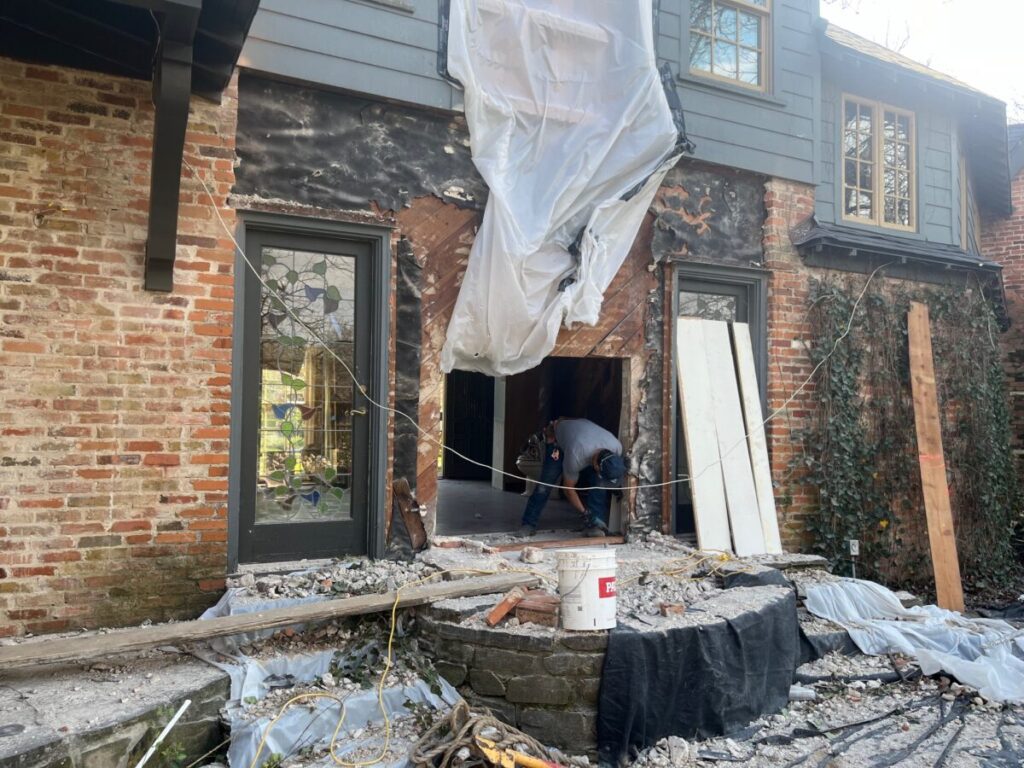
Every element of a building’s structure sits on or connects to its foundation. Walls, floors, roof loads, door and window frames, plumbing runs, and electrical systems all rely on the foundation to remain stable and level over time. When the foundation has settled unevenly, cracked, shifted, or been compromised by moisture or soil movement, every system above it is affected, whether or not those effects are immediately visible.
In Texas, this reality is more acute than in most other regions. The expansive clay soils that underlie much of the Dallas-Fort Worth corridor and the Austin area are among the most active in the country. They swell significantly when wet and shrink when dry, creating seasonal movement that works on foundation slabs and piers year after year. Drought periods, which Texas experiences with regularity, accelerate the shrinkage and create voids beneath slabs that lead to uneven settlement. Heavy rain periods reverse the cycle. Over years and decades, this movement accumulates into measurable foundation displacement that manifests as sloping floors, sticking doors, cracked drywall, and gaps at wall-ceiling junctions.
A homeowner planning a major remodel may look at these symptoms and assume they are cosmetic issues to address as part of the renovation. A contractor who treats them that way is making a serious and expensive mistake on the client’s behalf.
What Happens When You Remodel Over a Bad Foundation
The scenario is more common than most homeowners realize. A property owner invests in a significant remodel, new framing goes up, flooring is installed, cabinets are hung, tile is set. The project is completed and looks beautiful. Then, over the following one to three years, the foundational movement that was never addressed continues. And now, instead of affecting an older finish that was already due for replacement, it is affecting brand-new work.
Tile cracks along grout lines. Hardwood floors develop gaps or cupping. Doors that closed perfectly at project completion begin sticking again. Drywall cracks appear in the same locations where the previous owners had patched and repainted. Cabinet doors drift out of alignment. The remodel that was supposed to resolve the property’s issues has simply buried them under new materials, and those materials now need repair or replacement far sooner than they should.
The cost of addressing foundation problems after a remodel is substantially higher than addressing them before, because the repair work now competes with finished spaces that may need to be opened, damaged, or replaced to allow access. In some cases, structural repairs that would have been straightforward on an unfinished property require tearing out significant amounts of completed work.
What a Pre-Remodel Foundation Assessment Involves
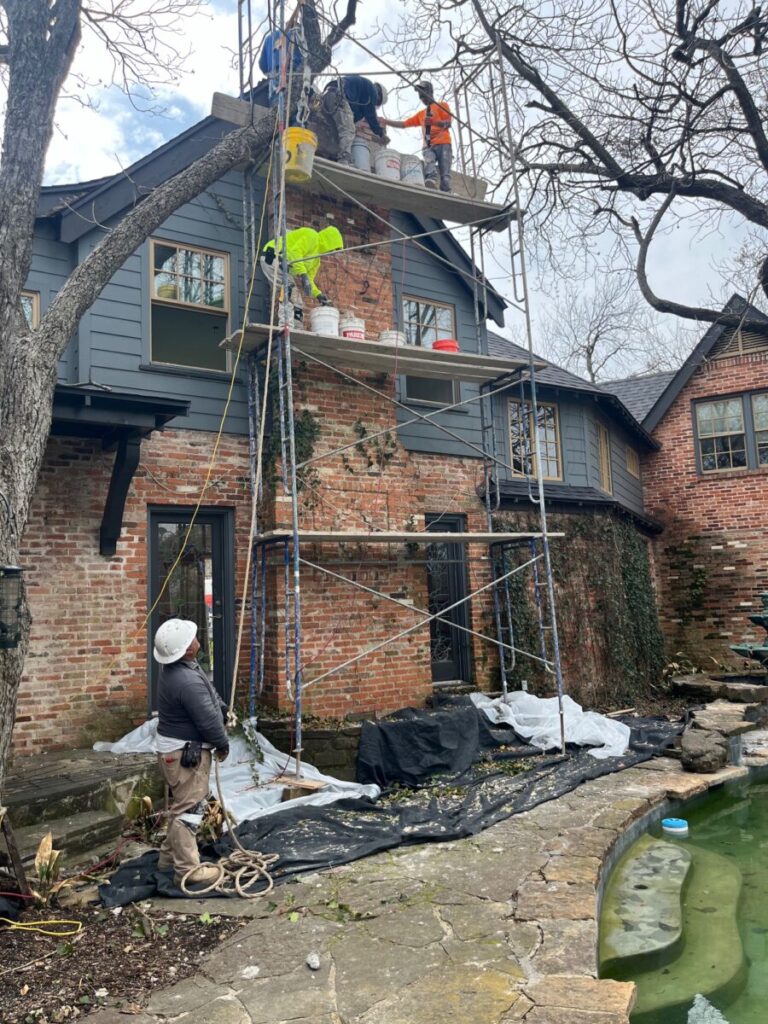
A thorough foundation assessment before a major remodel is not a lengthy or disruptive process. It is a structured evaluation that gives the project team the information needed to move forward with confidence.
The assessment typically examines the following:
Slab or pier and beam condition. For slab foundations, this involves looking for cracks, evaluating their pattern and severity, assessing levelness across the slab, and identifying any areas of settlement or upheaval. For pier and beam foundations, it involves inspecting the condition of the piers, beams, and subfloor structure for rot, pest damage, and settlement.
Interior indicators. Sloping floors, sticking or binding doors and windows, diagonal cracks at corners of door and window openings, and cracks at wall-ceiling junctions are all diagnostic indicators that the foundation is communicating important information. These are mapped and evaluated in context with the exterior findings.
Exterior grade and drainage. How water moves around the foundation during rain events is one of the primary drivers of foundation movement in Texas. Negative grade that directs water toward the foundation, downspouts that discharge against the foundation wall, and landscaping that traps moisture against the perimeter all contribute to the conditions that cause differential settlement.
Existing repair history. Many Texas properties have had prior foundation repairs, and understanding what was done, when, and by whom informs the assessment of current conditions and what, if anything, remains to be addressed.
When Repair Is Required Before the Remodel Proceeds
Not every foundation assessment will identify issues that require repair before remodeling can begin. Some foundations are in sound, stable condition and simply need to be documented as a project baseline. But when the assessment does identify active movement, significant cracking, differential settlement, or drainage conditions that are actively contributing to foundation stress, those issues must be resolved before framing, flooring, or finish work proceeds.
The sequence is non-negotiable for any contractor who is genuinely serving the client’s best interest. Foundation repair is completed and given time to stabilize. Drainage corrections are made. The grade is adjusted where necessary. Then, and only then, does the construction work above begin.
At CDC Construction, this is how every significant remodel on a Texas property is approached. It protects the client’s investment, ensures that the finished work performs as it should, and provides the clear documentation that benefits the client if the property is ever sold or refinanced.
Starting a Major Remodel in Texas? Let’s Look at the Foundation First. Contact CDC Construction Today.
CDC Construction serves residential and commercial clients across Dallas, Austin, and throughout Texas with the kind of thorough, honest, experience-driven approach that major projects deserve. If you are planning a significant remodel or addition, contact us today to discuss your project and let us make sure the foundation is right before we build anything on top of it.