
Restaurant Remodeling Ideas That Improve Customer Experience: What Should You Update First?
In today’s competitive Texas dining market, a great meal is table stakes. What keeps guests coming back and fuels word-of-mouth growth is the entire experience, from the moment they walk in the door to the moment they leave. The physical environment your restaurant provides plays a direct and measurable role in that experience. A thoughtful remodel is not just a cosmetic upgrade. It is a strategic investment in guest satisfaction, staff efficiency, and long-term revenue. Research consistently shows that 65 to 80 percent of restaurant sales come from repeat customers, and the physical environment is one of the most powerful drivers of whether a first-time guest becomes a regular. At CDC Construction, we have spent decades helping Texas restaurant owners across Dallas, Austin, and the surrounding markets translate their vision into spaces that genuinely perform. We bring deep commercial construction expertise, clear communication, and craftsmanship that stands the test of daily use, because we know a restaurant remodel is not just about looks. It is about building something that works as hard as you do.
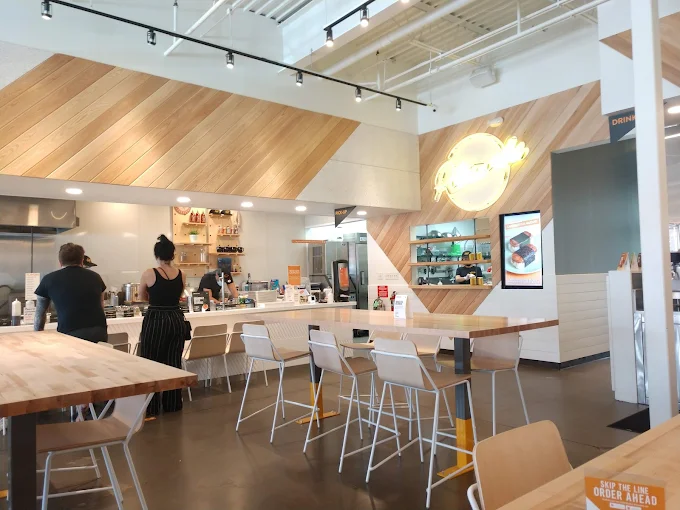
How to Remodel a Restaurant to Increase Customer Satisfaction, Repeat Visits, and Revenue
The most effective restaurant remodels focus on improvements that guests feel directly, even if they cannot always articulate exactly why a space works. Here is where the highest-impact changes tend to happen and how to approach each one.
Start with the Guest Flow and Seating Layout
The single most common source of friction in restaurant environments is a floor plan that was not designed for the way the business actually operates. Many Texas restaurants have grown into their spaces over time, adding tables wherever they fit, and the cumulative result is a layout that frustrates guests and slows staff.
A remodel is the right moment to reconsider the entire floor plan from the guest’s perspective. Ask how it feels to walk in, find a host, reach your table, and signal for service. Are there bottlenecks near the entrance or the service station? Do tables near the kitchen feel uncomfortably exposed to noise and foot traffic? Is there a clear visual distinction between the bar area, the main dining room, and any private or semi-private sections?
Layout changes during a full commercial remodel can include repositioning the host stand for better sightlines, widening service aisles to improve staff efficiency and reduce collisions, creating designated zones for different dining experiences, and adding flexible booth configurations that work for both couples and larger parties. In Texas markets where large-group dining and celebration occasions drive meaningful revenue, a layout that accommodates parties of six or more without awkward table arrangements is a genuine competitive advantage.
Lighting Is the Most Underrated Upgrade in Any Restaurant Remodel
Lighting does more than illuminate a room. It sets the emotional tone of the entire dining experience. The difference between a space that feels warm, intimate, and inviting and one that feels flat or clinical almost always comes down to lighting design.
Industry trends point strongly toward layered, warm lighting systems that move away from overhead-dominant schemes toward a combination of ambient, accent, and task lighting. Natural wood finishes, warm filament bulbs, and thoughtfully placed fixtures that create pools of warm light rather than uniform brightness are defining the best-performing dining environments in markets from Dallas to Austin.
From a construction standpoint, lighting upgrades during a remodel are an ideal time to run new circuits, install dimmer systems, and integrate lighting zones that allow the space to shift in mood from the lunch rush to evening service without any physical changes. CDC Construction handles all of the electrical coordination that makes those systems work correctly and safely within Texas commercial code requirements.
Kitchen and Service Infrastructure: The Remodel Changes Guests Actually Feel
Guests never see the kitchen, but they feel everything that happens in it. Slow ticket times, inconsistent food temperatures, and staff bottlenecks during peak hours are almost always symptoms of infrastructure problems that a well-planned commercial kitchen remodel can address directly.
In Texas restaurant markets where competition for experienced kitchen staff is intense, designing a more efficient and ergonomic kitchen layout reduces the physical and operational strain on your team. That translates directly into better service, lower turnover, and more consistent guest experiences. CDC Construction specializes in commercial kitchen buildouts and renovations, understanding the specific ventilation, hood systems, plumbing rough-in, and equipment clearance requirements that make a kitchen not just functional but genuinely optimized.
On the front-of-house side, bar infrastructure and service station placement matter more than most operators realize during a remodel. A well-positioned service station cuts the distance staff travel between the kitchen and tables, which reduces wait times and increases the number of covers a team can handle comfortably during peak hours.
Restrooms, Entryways, and the Details Guests Notice Most
Research on guest behavior consistently shows that restrooms and entryways have outsized influence on overall dining perception. A beautiful dining room connected to a dated or poorly maintained restroom creates a jarring disconnect that guests remember, and mention in online reviews.
Upgraded restroom finishes, better lighting, touchless fixtures, and a layout that eliminates the awkward single-file wait are all practical improvements that a commercial remodel can deliver efficiently. The entryway and waiting area deserve the same attention. In Texas markets where wait times at popular restaurants are a regular reality, a comfortable, well-designed waiting area reinforces the guest’s decision to stay rather than walk next door.
Natural materials, warm wood finishes, greenery, and earthy textures are among the most consistent design trends across successful restaurant renovations right now, and they translate well into both the Dallas market’s contemporary dining scene and Austin’s more eclectic, experiential dining culture.
Acoustic Design: The Problem Most Restaurant Owners Do Not Budget For
Noise is one of the top complaints in guest reviews across every restaurant category. A space that is too loud makes conversation difficult, increases perceived stress for guests, and shortens the time people are willing to linger, which directly impacts average check size at dinner service.
Acoustic improvements during a remodel include strategic use of soft materials like banquette upholstery and curtains, acoustic ceiling treatments, and careful placement of hard surfaces to diffuse rather than amplify sound. These are not dramatic changes visually, but they produce a dining environment that guests find noticeably more comfortable, even if they cannot point to exactly why.
Ready to Remodel Your Texas Restaurant the Right Way? Contact CDC Construction Today for a Free Consultation Across Dallas, Austin, and Beyond.
Whether you are refreshing a concept that has been in place for years or transforming a new space into a first-rate dining destination, CDC Construction brings the commercial construction expertise, local market knowledge, and honest project management that Texas restaurant owners depend on. Reach out today to schedule your free consultation and take the first step toward a space that earns its place in your guests’ regular rotation.